Teaching Jedi
  • Home
  • About
    • Curriculum Vitae
    • Contact
  • Articles
    • Giving Students Meaningful Choices
    • Establishing Classroom Norms to Enhance Students’ Collective Efficacy
    • Feedback that Fosters Growth
    • Let Students Lead the Dialog with Parents
    • How to Use Microtracking to Promote Student Autonomy
    • #AKEDCHAT Topics
  • Google Skills Series
    • Google Integrated Components
    • Document Sharing Protocols
    • Organizing Gmail
    • Scheduling Gmails
    • Searching Google Drive
    • Organizing Google Drive
    • Google Calendar Features
    • Creating Tasks and Events
    • Creating Booking Calendars
  • Inservices
    • Improving Outcomes with AI in English Teaching
    • Digital Communication: Writing, Presenting and Teaching Online
    • Facilitating with Heart: Communication in Teaching and Training
    • Integrating SDGs into Learning
    • AI in Action
    • Google Foundations YKSD
    • Student-Driven Classroom
    • Canvas for Engagement
    • Packet Routines + Design
    • Video Webhosting
    • Exploring the Possible
    • Using Data Tools
    • Scaffolding Reflection for Students
    • Tech Integration with Intentionality
  • Conferences
    • 2025 AKCASE - AI for SPED Leadership
    • 2025 Global Teaching Dialogue - Designing Global Collaboration
    • 2025 - IV International Virtual Conference Women Ascension
    • AI 2024 - Three Before Me - Using AI for Student Reflection and Feedback
    • ASTE 24 - Building Solution Fluency for Learning
    • ASTE 24 - Onboarding Learners to the Learning Journey
    • ASTE 24 - Collaborating with Digital Dashboards
    • MTSS/RTI 2024 - Leveraging the K-3 Movement to Promote Secondary Literacy
    • ASTE 23 Keynote - Cultivating Voice - Mine, Yours, and Ours
    • ASTE 23 - Using Websites for Streamlining Teacher Practice
    • ASTE 23 - Designing Your Classroom Toolkit
    • Utilizing Teacher Leadership to build a Culture of Innovation
    • ASTE 22 - Supporting Executive Function with Google Keep
    • ASTE 22 - Building Engagement Utilizing your LMS
    • Historical List
  • Micro-Topics
    • Jigsaw on Steroids
    • Expanding Beyond the Classroom Walls
    • Authentic Feedback
    • Creating Staff Buy-In
    • Student Centered Practice
    • Building Student Dialog w/Parents
    • Canvas Time Savers
    • Reflection in Teaching Practice Matrix
    • Evaluating Tech Tools
    • Designing Internet Use
  • Projects
    • EL Specialist Pakistan 2025
    • EL Specialist Pakistan 2024
    • Fulbright Uganda 2023 >
      • Episodes in the Field
Picture
This category is about offering students variety in topics, pace and method of receiving content. It is a delicate balance of the required curriculum (foundational), adaptive tools (like Lexia), and customizable content that is driven by student interests.

Content is really formula you build for your practice...
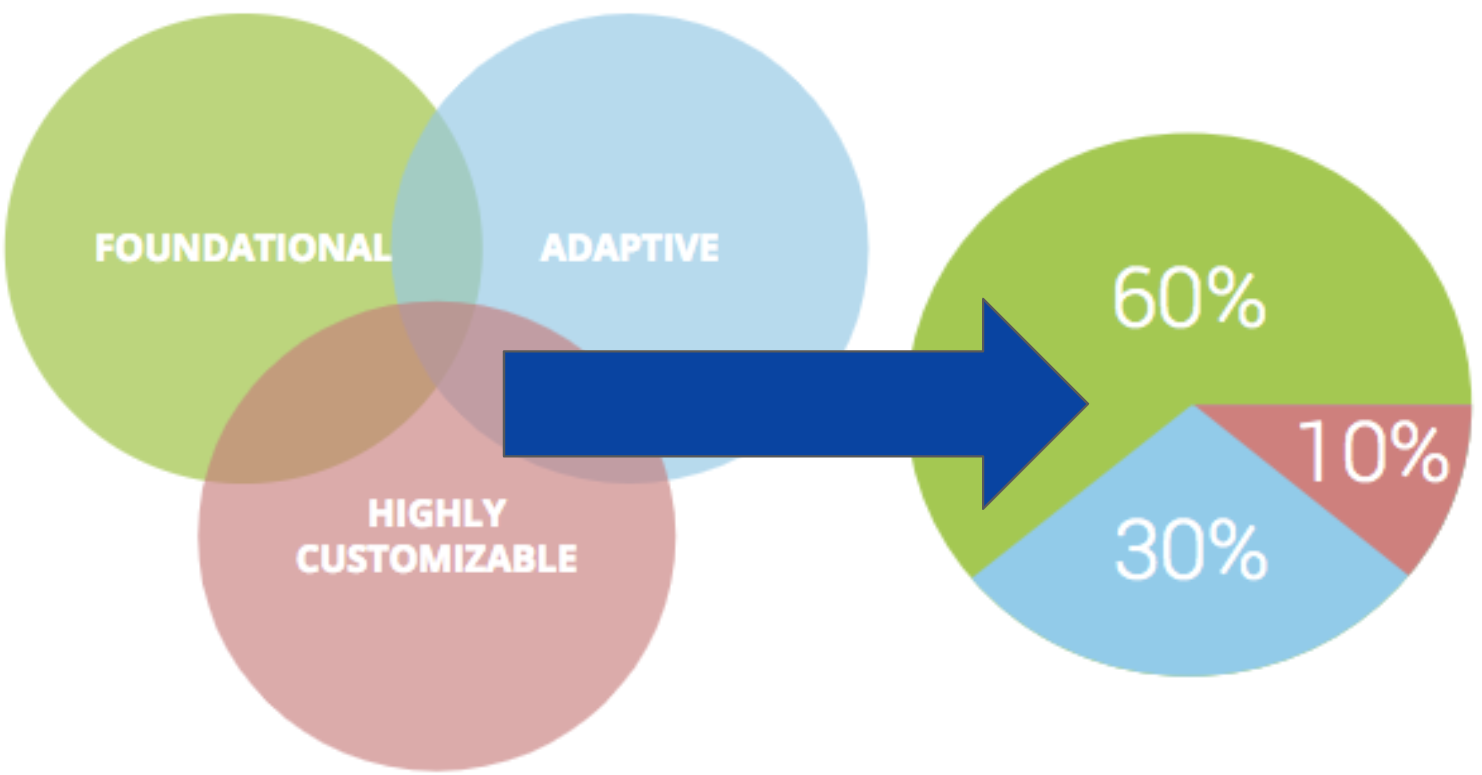
Flexible Content Formula

Example Strategies


OFFER OPTIONS WHEN POSSIBLE
Use a Google Site to share a Must Do/May Do Playlist with students and give kids some options after they complete the must do part of the list. The May Do part of the list can have a wide variety types of resources. A Choice List is another version of this!
Resources:​
  • Resource - Bank of Playlists Pictures
  • Resource - Menus & Student Choice Boards
  • Article - Providing Pacing Guidance with "Must Do" and "May Do" Tasks

Tool Suggestion: Google Site or Google Doc

LET STUDENTS CURATE TOO
Use a shared Google Doc, a Google Site or Symbaloo to have students add to a list of resources (digital or otherwise) to use on a particular topic or skill. Teachers can whittle the list down from student suggestions or prioritize the list for students. 
Resources:​
  • Article - Getting Started with Content Curation in the Classroom
  • Blog post - To Boost Higher-Order Thinking, Try Curation
  • Article - 16 Curation Tools for Teachers and Students​​

Tool Suggestion: Google Doc, Google Site, Symbaloo

DIGITAL DIRECT INSTRUCTION
Use a Screencastify or Screencast-o-matic to record mini-lessons, give instructions and feedback on work. Need to clone youself so that students can access content at a later time or repeatedly? You can post the resource videos on Google Classroom or a Google Site to easy access. 
Resources:​​
  • Article - Four Strategies for Flipped Learning
  • Website - Flipped Classroom
  • Article - In-Class Flip - The Flipped Classroom meets Station Rotation (Catlin Tucker)
​
Tool Suggestion: Screencastify or Screencast-o-matic

FIND YOUR FORMULA
Use Google Draw or Google Sheets to layout the Must/Need/May list of resources you must use, things the students need to fill gaps or extend, and optional items that could be incorporated based on interest. Create your formula for the course that shows the maximum amount you can add it to meet students personally.
Resources:​​
  • Example - Make a list of content sources available
  • Resource - Questions to reflect on content purpose​
  • Resource - Consider what content best serves different stations in the class rotation
​
Tool Suggestions: Google Draw or Google Sheets

DESIGN​ WITH STUDENTS
Use a shared Google Doc for students to add ideas for demonstrating knowledge and learning experiences. Have an digital ongoing parking lot where students can add ideas for learning and showing what they know. Periodically review as a class and mark off things as you do them.
Resources:​​
  • Article - How Can Students and Teacher Co-Design Learning?
  • Article - Invite Students to Co-Design their Learning Environment
  • Strategies list (scroll down) - Orchestrating Design

Tool Suggestion: Google Doc or Padlet
Proudly powered by Weebly